
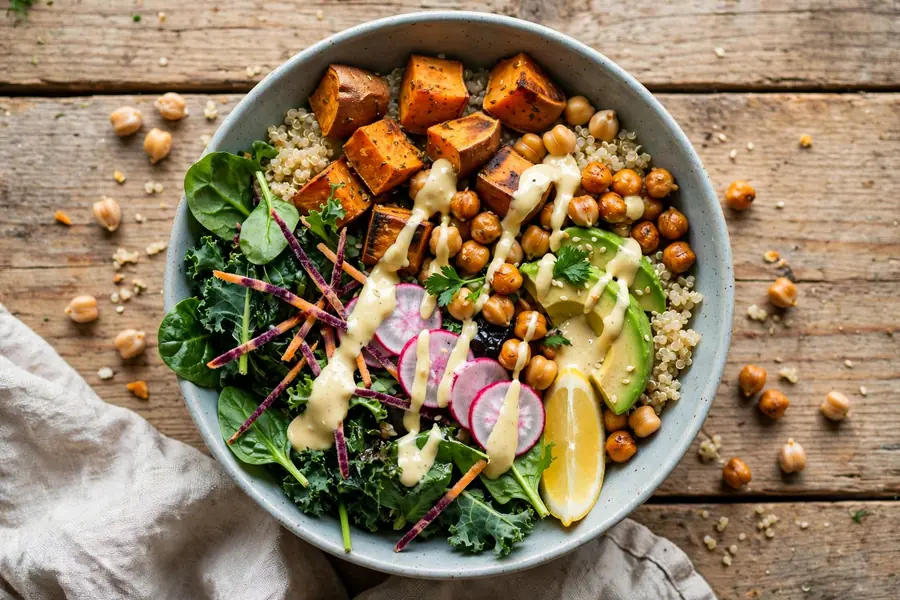
Heartumental Recipes: 8 Easy Heart-Smart Meals + What It Really Means
“Heartumental” is not an official cooking term, and you will not find it in a dictionary or in any health guideline. Recipe bloggers use it casually, and they do not agree on what it means. Some use it for heart-healthy meals. Others use it for cooking that feels calm, personal and full of memories.
This heartumental recipe guide uses both ideas, because most people searching for recipes heartumental want one or the other: food that is kind to your heart and cooking that feels like home. You will get a clear definition, 8 easy recipes, a cooking oil guide, a 7-day meal plan, storage rules, and a plain-language health section. You will also learn how to write your own heartumental recipe card.
Quick answer: A heartumental recipe is an informal label for a simple, mostly whole-food meal built around vegetables, whole grains, beans, fish or lean protein and olive oil, cooked with care. It is not a medical diet and it does not treat any condition.
What Does “Heartumental” Mean?
Three common meanings show up across recipe sites:
| Meaning | What it focuses on |
|---|---|
| Heart-healthy cooking | Low-salt, plant-forward meals with healthy fats |
| Mindful cooking | Slowing down, noticing flavor, smell and texture |
| Sentimental cooking | Family recipes, memories and passing dishes on |
Every definition mixes food that supports your heart with cooking that feels personal. Because the word is vague, we judge a recipe by its ingredients, not by its label.
The Heart + Home Checklist
A recipe earns the “heartumental” label here only if it passes all four checks:
- Heart-smart base: vegetables, beans, whole grains, fish or lean protein, and olive oil, with salt kept low.
- Everyday ingredients: everything is available at a regular US grocery store.
- One slow moment: one small step that makes you pause, such as smelling toasted spices.
- Under 40 minutes: realistic for a normal weeknight.
If a recipe fails even one check, it can still be delicious. It just does not belong on this list.
8 Heartumental Recipes You Can Make at Home
Every dish below is a heartumental homemade recipe: made from scratch with everyday ingredients, no packaged sauces and no special equipment.
Nutrition numbers are rough estimates per serving based on standard ingredient values. Brands and portions change them, so use USDA FoodData Central or a nutrition app for exact figures.
| # | Recipe | Meal | Time | Servings | Approx. calories |
|---|---|---|---|---|---|
| 1 | Berry-Flax Oatmeal | Breakfast | 7 min | 1 | ~280 |
| 2 | Spinach-Mushroom Egg Scramble | Breakfast | 10 min | 1 | ~290 |
| 3 | Quinoa Chickpea Power Bowl | Lunch/Dinner | 40 min | 4 | ~520 |
| 4 | Lentil and Herb Soup | Dinner | 40 min | 4 | ~260 |
| 5 | Lemon-Garlic Salmon with Avocado Salsa | Dinner | 25 min | 4 | ~400 |
| 6 | Chickpea and Spinach Skillet | Dinner | 25 min | 4 | ~230 (without rice) |
| 7 | One-Pan Lemon Chicken and Vegetables | Dinner | 40 min | 4 | ~380 |
| 8 | Black Bean Stuffed Peppers | Dinner | 40 min | 4 | ~310 |
1. Berry-Flax Oatmeal
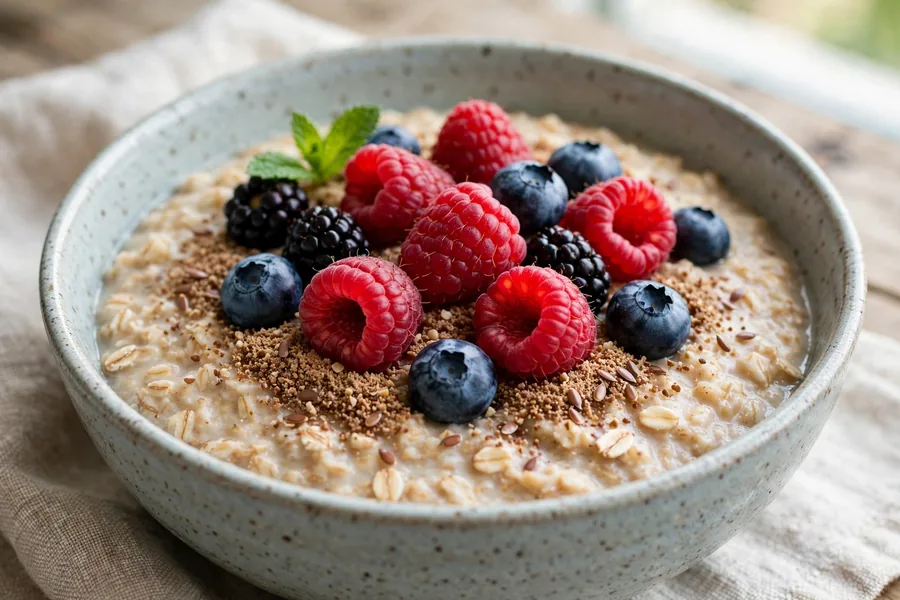
Prep: 2 min | Cook: 5 min | Serves: 1
Ingredients: ½ cup rolled oats; 1 cup unsweetened almond milk or low-fat milk; ½ cup fresh or frozen berries; 1 tablespoon ground flaxseed; ½ teaspoon cinnamon.
Steps: 1. Simmer the oats and milk in a small pot for 4 to 5 minutes, stirring often, until creamy. 2. Stir in the cinnamon. 3. Top with berries and flaxseed.
Slow moment: Warm your bowl first and hold it for a few seconds before you eat.
2. Spinach-Mushroom Egg Scramble
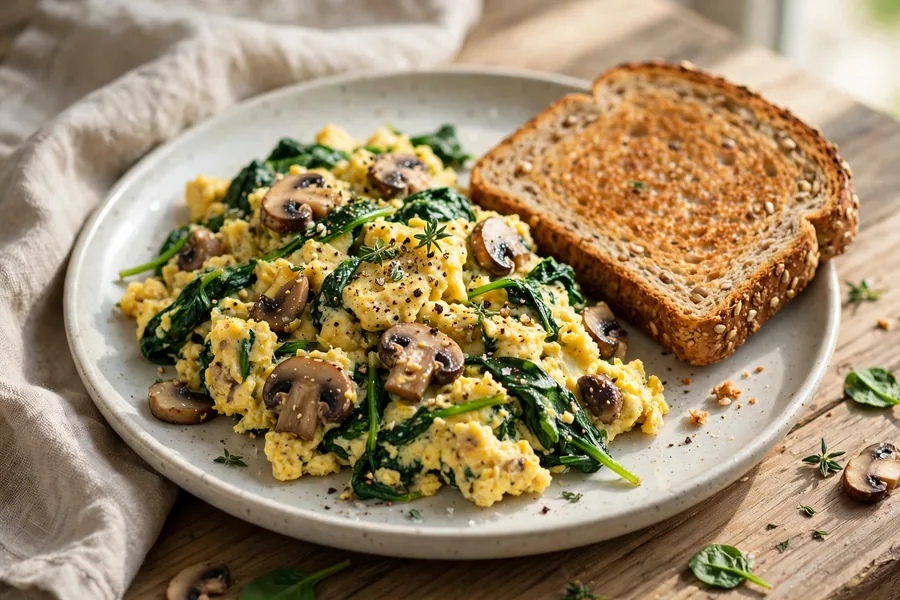
Prep: 3 min | Cook: 7 min | Serves: 1
Ingredients: 2 eggs; 1 cup fresh spinach; ½ cup sliced mushrooms; 1 teaspoon olive oil; Black pepper; 1 slice whole-grain toast.
Steps: 1. Heat the oil in a nonstick pan over medium heat. 2. Cook the mushrooms for 3 minutes until soft. 3. Add the spinach and stir for about 1 minute until wilted. 4. Pour in the beaten eggs and stir gently until just set. 5. Season with pepper and serve with toast.
3. Quinoa Chickpea Power Bowl with Lemon-Tahini Dressing
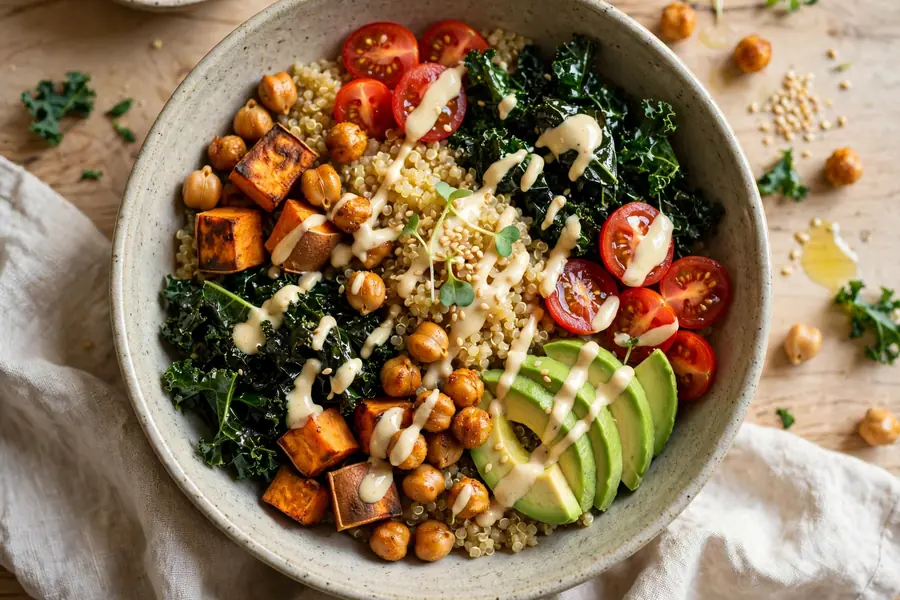
Prep: 10 min | Cook: 30 min | Serves: 4
Ingredients: 1 cup dry quinoa, rinsed; 2 cups low-sodium vegetable broth; 2 medium sweet potatoes, cubed; 1 can (15 oz) no-salt-added chickpeas, drained and rinsed; 2 tablespoons olive oil; 4 cups chopped kale; 1 cup cherry tomatoes, halved; 1 avocado, sliced. Dressing: ¼ cup tahini, 2 tablespoons lemon juice, 1 minced garlic clove, a pinch of salt, 2 to 3 tablespoons water.
Steps: 1. Heat the oven to 400°F (200°C). 2. Toss the sweet potatoes and chickpeas with the olive oil and spread on a baking sheet. Roast for 25 to 30 minutes until golden. 3. Meanwhile, simmer the quinoa in the broth for 12 to 15 minutes. Cover and rest 5 minutes, then fluff. 4. Massage the kale with a pinch of salt for 1 minute until it softens. 5. Whisk the dressing, adding water slowly until pourable. 6. Build each bowl with quinoa, kale, roasted vegetables, tomatoes and avocado. Drizzle with dressing.
Slow moment: While you massage the kale, notice how it turns from stiff to silky.
Tip: Store the dressing separately for meal prep so the greens stay fresh.
4. Lentil and Herb Soup
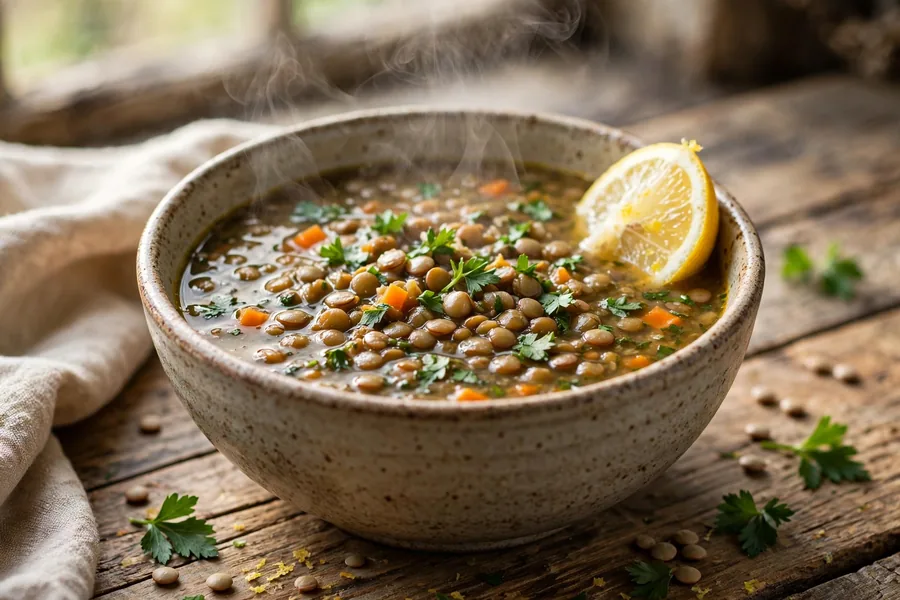
Prep: 10 min | Cook: 30 min | Serves: 4
Ingredients: 1 cup brown or green lentils, rinsed; 4 cups low-sodium vegetable broth plus 1 cup water; 1 carrot, 1 celery stalk and 1 small onion, diced; 2 garlic cloves, minced; 1 tablespoon olive oil; 1 teaspoon cumin and 1 teaspoon smoked paprika; ¼ teaspoon salt; ¼ cup chopped parsley; Lemon wedges.
Steps: 1. Heat the oil in a large pot. Cook the onion, carrot and celery for 5 to 7 minutes until soft. 2. Add the garlic and spices and stir for 30 seconds. 3. Add the lentils, broth and water. Bring to a boil, then simmer about 25 minutes until tender. 4. Stir in the parsley and a squeeze of lemon. Taste and adjust.
Slow moment: Toast the spices for 30 seconds and breathe in the smell before adding liquid.
5. Lemon-Garlic Salmon with Avocado Salsa
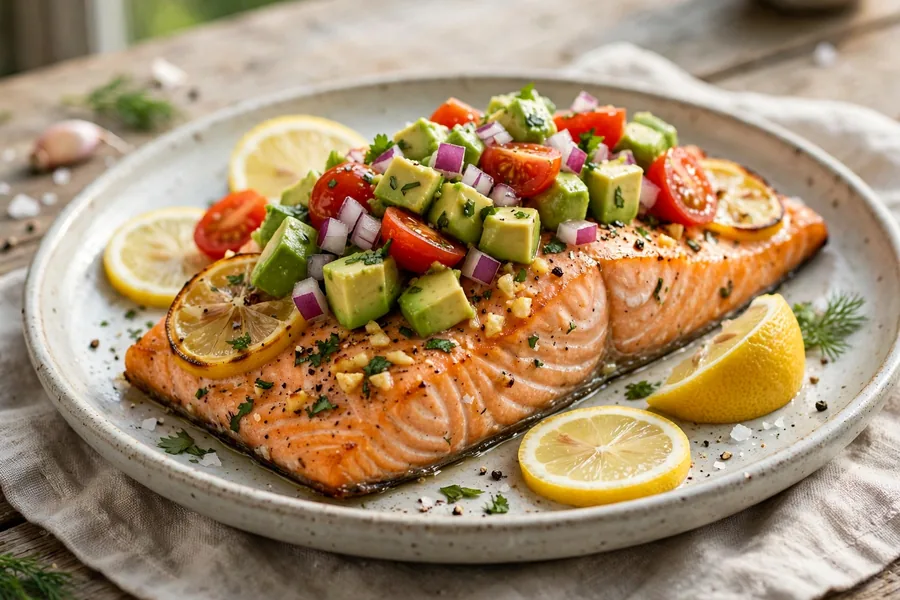
Prep: 10 min | Cook: 15 min | Serves: 4
Ingredients: 4 salmon fillets (4 to 6 oz each); 1 tablespoon olive oil; 1 teaspoon smoked paprika; 2 garlic cloves, minced; Juice of ½ lemon. Salsa: 1 diced avocado, 1 cup halved cherry tomatoes, ¼ cup finely chopped red onion, 1 tablespoon lime juice, chopped cilantro.
Steps: 1. Heat the oven to 400°F (200°C) and line a baking sheet. 2. Rub the salmon with the oil, paprika, garlic and lemon juice. 3. Bake 12 to 15 minutes. Fish is done at an internal temperature of 145°F (63°C). 4. Mix the salsa and spoon it over the fish.
Serve with: steamed quinoa, brown rice or a green salad.
6. Chickpea and Spinach Skillet
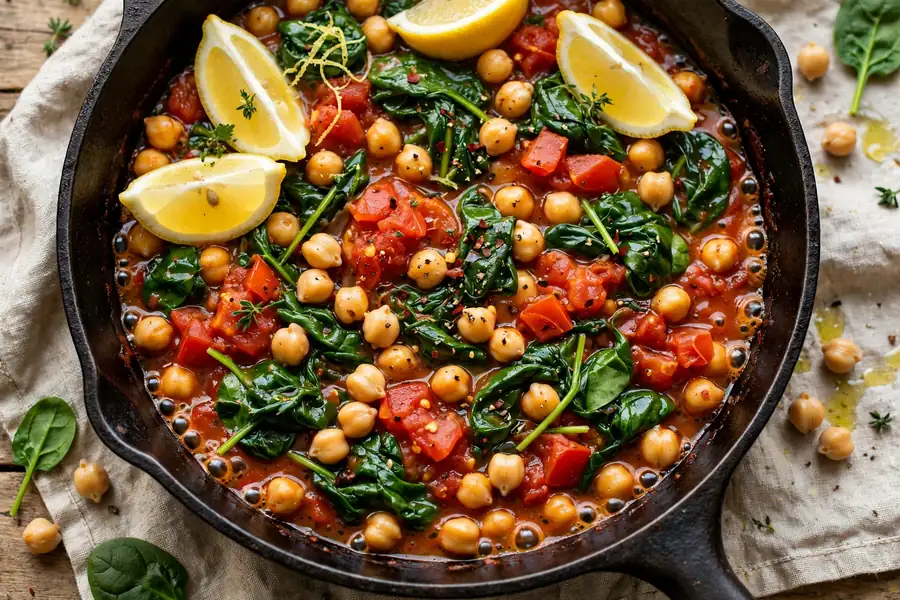
Prep: 5 min | Cook: 20 min | Serves: 4
Ingredients: 1 tablespoon olive oil; 1 onion, diced; 3 garlic cloves, minced; 1 teaspoon cumin and 1 teaspoon paprika; 1 can (14.5 oz) no-salt-added diced tomatoes; 1 can (15 oz) no-salt-added chickpeas, drained and rinsed; 1 cup low-sodium vegetable broth; 5 oz baby spinach; Lemon juice.
Steps: 1. Cook the onion in the oil for 5 minutes. Add the garlic and spices for 30 seconds. 2. Add the tomatoes, chickpeas and broth. Simmer 10 to 12 minutes. 3. Stir in the spinach until wilted and finish with lemon.
Best for: beginners. It is one pan, and it is hard to get wrong.
7. One-Pan Lemon Chicken and Vegetables
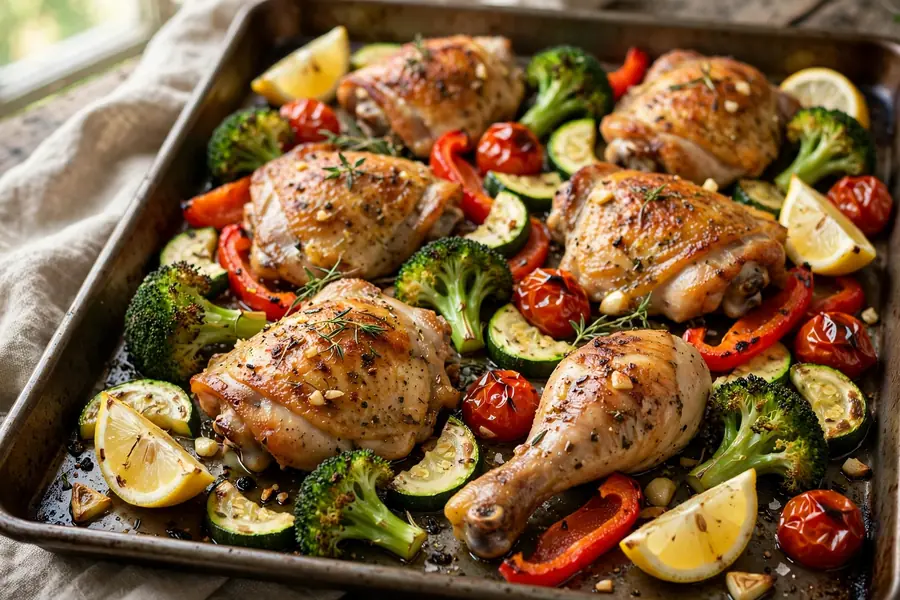
Prep: 10 min | Cook: 25 to 30 min | Serves: 4
Ingredients: 1 lb boneless, skinless chicken breast, cut into chunks; 2 cups broccoli florets; 1 cup cherry tomatoes; 1 zucchini and 1 bell pepper, chunked; 2 tablespoons olive oil; Juice of 1 lemon; 2 garlic cloves, minced; 1 teaspoon dried oregano; Black pepper and a small pinch of salt.
Steps: 1. Heat the oven to 425°F (220°C) and line a baking sheet with parchment. 2. Toss everything with the oil, lemon, garlic, oregano and seasoning. 3. Spread in a single layer without crowding the pan. 4. Roast 25 to 30 minutes. Chicken must reach 165°F (74°C) inside.
8. Black Bean Stuffed Peppers
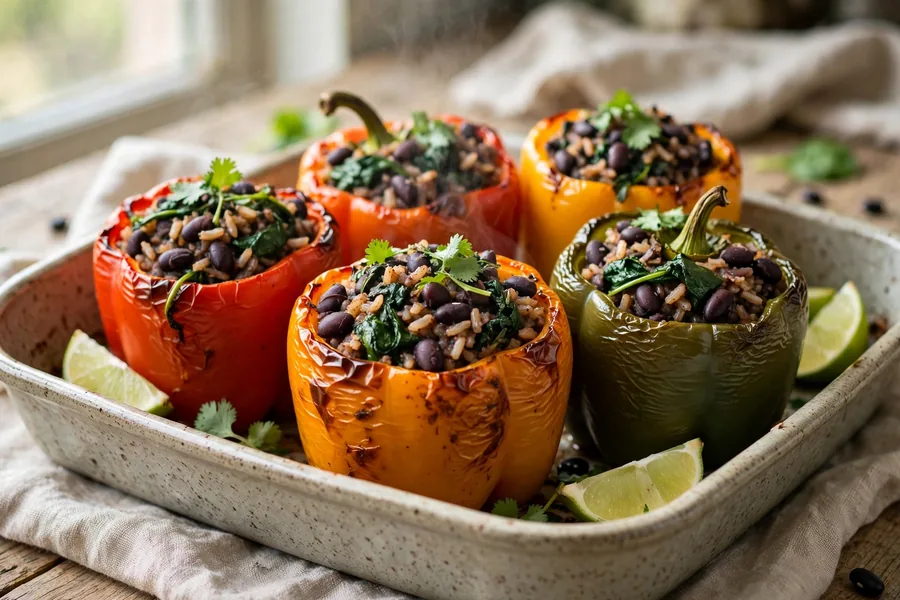
Prep: 15 min | Cook: 30 to 35 min | Serves: 4
Ingredients: 4 bell peppers; 1½ cups cooked black beans (no-salt-added if canned); 1 cup cooked brown rice; 1 tomato, diced; ½ onion, diced; 1 cup chopped spinach; 1 teaspoon cumin and ½ teaspoon paprika; Lime juice and fresh cilantro.
Steps: 1. Heat the oven to 375°F (190°C). 2. Cut the tops off the peppers and remove the seeds. 3. Mix the beans, rice, tomato, onion, spinach and spices. Fill each pepper. 4. Stand the peppers in a baking dish with a little water in the bottom, cover, and bake until tender. 5. Finish with lime juice and cilantro.
What Is the Best Cooking Recipe Heartumental?
There is no single best recipe, because it depends on your time and goal. For most beginners, the best cooking recipe heartumental style is the Chickpea and Spinach Skillet: one pan, 25 minutes, low cost and very hard to get wrong. If you want a more filling meal, choose the Quinoa Chickpea Power Bowl. If you want fish, choose the Lemon-Garlic Salmon. All three pass the four-check list above.
Which Cooking Oil to Use for Heartumental Cooking
Extra-virgin olive oil is a solid everyday choice for sautéing and roasting. It is rich in unsaturated fat, which the American Heart Association recommends in place of saturated fat. For high-heat searing or roasting, avocado oil also works well. Use butter and cream sparingly if you are following the heart-smart checklist above.
Why Is a Recipe Important in Heartumental Cooking?
A recipe is more than a list of ingredients. It is a repeatable plan, a safety net for beginners, and often a small piece of family history. Here is why it matters in heartumental cooking, where food is meant to be both good for you and personal.
- It Makes Your Cooking Consistent — When you measure and write things down, the dish tastes the same next time. That matters for heart-smart cooking in particular. A recipe keeps salt, oil and portion sizes steady instead of drifting upward each time you cook “by eye.” If you ever want to adjust a dish, for example by cutting the salt in half, a written recipe lets you change one thing at a time and see what works.
- It Helps You Cook Safely — Good recipes give temperatures and times, not guesses. Chicken is done at 165°F (74°C) and salmon at 145°F (63°C). Leftovers go into the refrigerator within 2 hours. Writing these details into your own recipe cards means you do not have to look them up every time, and it protects the people you cook for.
- It Saves Money and Reduces Waste — A planned recipe means a planned shopping list. You buy what you need, reuse ingredients across several meals (the same quinoa, beans and spinach appear in many recipes in this guide), and waste less food. Recipes built on dried or canned beans, lentils, oats and frozen vegetables are some of the cheapest ways to eat well.
- It Keeps Family Food Alive — Many families have a dish that nobody ever wrote down until someone wanted to learn it. Writing yours down, even as rough notes, turns a one-time meal into something you can pass on. Many people find that smells and flavors bring back strong memories of people and places, which is why a grandparent’s soup can feel so different from any other soup. A recipe card keeps that dish from disappearing. A good family recipe card captures more than amounts. Add: The story: who taught you the dish and when you first ate it. The sensory cues: “simmer until the sauce coats the back of a spoon” or “cook until the kitchen smells like toasted cumin.” The small tricks: the pan your mother used, or the day she added extra lemon. The changes over time: how you adapted it, such as swapping butter for olive oil.
- It Makes Cooking Calmer — Following a recipe gives your hands and mind a clear sequence: chop, heat, stir, taste. Many people find that cooking with a simple plan feels grounding after a busy day, because it asks for attention to smell, sound and texture. This is a pleasant habit, not a treatment for stress, anxiety or any health condition. If you are struggling with your mental health, please speak to a qualified professional.
- It Lets You Teach Others — A clear recipe is the easiest way to pass cooking skills to children, partners or friends. Instead of saying “just add some,” you can say “add 1 tablespoon of olive oil and cook the garlic for 30 seconds until fragrant.” That clarity is what turns a nervous beginner into a confident cook.
A Simple Test of a Good Recipe — Hand your recipe to someone who has never made the dish. If they can cook it without calling you, the recipe works. If they have questions, those questions show you exactly what to add to the card.
How to Write a Cooking Recipe the Heartumental Way
Use this simple structure for every recipe card: 1. Name and one-line story: where the dish comes from or why you make it. 2. Prep, cook and total time, plus servings. 3. Ingredients with exact amounts. 4. Clear steps with cues: “cook until the garlic is fragrant, about 30 seconds” is better than “cook for a while.” 5. Sensory cues: what to see, hear and smell at each stage. 6. Substitutions and variations. 7. Storage notes. 8. Nutrition estimate and a short note about allergens.
Record a video of a relative cooking if you can, and scan handwritten cards as a backup.
Easy Dinner Recipes Heartumental: A 7-Day Plan
Looking for a dinner recipe heartumental style that fits a busy week? This plan reuses the same grains, beans and vegetables so you shop once and cook faster.
| Day | Dinner | Prep note |
|---|---|---|
| Monday | Lemon-Garlic Salmon with quinoa | Cook extra quinoa |
| Tuesday | Lentil and Herb Soup | Make a double batch |
| Wednesday | One-Pan Lemon Chicken | Chop vegetables ahead |
| Thursday | Black Bean Stuffed Peppers | Use leftover rice |
| Friday | Chickpea and Spinach Skillet | Ready in 25 minutes |
| Saturday | Quinoa Chickpea Power Bowl | Use leftover soup vegetables |
| Sunday | Leftover remix bowl | Combine grains, beans and roasted vegetables |
Easy Swaps
| Need | Swap |
|---|---|
| Vegan | Replace eggs with a tofu scramble. Replace salmon and chicken with roasted cauliflower or extra chickpeas. |
| Gluten-free | Use certified gluten-free oats and bread. |
| Dairy-free | Use almond, oat or soy milk. |
| Lower sodium | Choose no-salt-added broth and canned beans. Rinse beans well. Use lemon, garlic and herbs for flavor. |
| Nut-free | Use sunflower seeds instead of nuts. |
| Sesame allergy | Skip the tahini and use a lemon-olive oil dressing. |
Storage and Leftover Safety
- Cool cooked food and refrigerate it within 2 hours.
- Use airtight, shallow containers.
- Keep the refrigerator at 40°F (4°C) or below.
- Eat refrigerated leftovers within 3 to 4 days.
- Reheat leftovers to 165°F (74°C).
- Keep dressings separate so greens stay crisp.
See the USDA guidance on leftovers and food safety for more detail.
Are Heartumental Recipes Healthy? Health Claims, Honestly
The word “heartumental” guarantees nothing. What matters is the ingredients you use. These are the claims we are comfortable making, and the limits that go with them:
- What the evidence supports: Eating patterns built on vegetables, fruit, whole grains, beans, nuts, fish and olive oil, such as the Mediterranean and DASH patterns, are widely studied for heart health.
- Fish: The American Heart Association recommends eating fish, especially fatty fish such as salmon, at least twice a week.
- Sodium: The AHA advises most adults to keep sodium under 2,300 mg a day, with an ideal limit of 1,500 mg for many people (American Heart Association sodium guidance). That is why these recipes use no-salt-added cans, low-sodium broth and small amounts of salt.
- What we do not claim: No recipe can prevent, treat or cure heart disease, high blood pressure, high cholesterol, anxiety or any other condition. Food is one part of a larger picture that also includes sleep, activity, stress, medication and family history.
- Mindful cooking: Slowing down and paying attention to food may help some people notice hunger and fullness. It is not a treatment for any mental health or digestive condition.
Special situations:
- If you take a blood thinner such as warfarin, leafy greens like kale and spinach are high in vitamin K. Keep your intake consistent and ask your care team about your plan.
- If you have a heart condition, kidney disease, diabetes, high blood pressure, or are pregnant, ask your doctor or a registered dietitian before changing your diet.
- Check labels for allergens such as sesame (tahini), tree nuts, fish, eggs, soy and gluten.
Disclaimer
The information in this article is for general educational purposes only and is not medical or nutritional advice. “Heartumental” is an informal term, not a recognized diet or medical program. Nutrition values are estimates and will vary with ingredients, brands and portion sizes. Always consult a qualified healthcare professional before changing your diet, especially if you have a medical condition, take medication, have food allergies, or are pregnant or breastfeeding. Follow safe food-handling guidance and check that food is fully cooked before eating.
Final Thoughts
Judge a recipe by its ingredients, not by its label. Start with one recipe this week, pay attention to how it smells while it cooks, and write down what you changed. Over time, those notes become your own collection of recipes worth keeping.
If you liked this guide, also read our Heartumental Recipe Guide, our 30-Minute Dinners for Busy Nights, and our Fall Sunday Dinners.
FAQs
What is heartumental cooking? It is an informal blogger term for simple, heart-conscious meals made with care. It is not a recognized diet or medical program.
Is “heartumental” a real word? Not in standard dictionaries. Recipe sites use it casually and define it differently.
Are heartumental recipes good for your heart? These recipes are built on foods linked to heart health, such as beans, whole grains, fish, vegetables and olive oil. No recipe can promise a health outcome, so talk to your doctor about your own needs.
What is an easy heartumental dinner for beginners? Start with the Chickpea and Spinach Skillet. It is one pan, takes about 25 minutes and is hard to get wrong.
Which cooking oil should I use? Extra-virgin olive oil for everyday cooking, and avocado oil for high-heat roasting or searing.
Are these recipes low in sodium? As written, yes, when you use no-salt-added cans and low-sodium broth. Check your own labels, since brands vary.
Can I meal prep these recipes? Yes. Soups, skillets, grain bowls and stuffed peppers keep well for 3 to 4 days in the refrigerator.
How do I write a heartumental recipe? Use the eight-part recipe card above: name and story, times, ingredients, clear steps, sensory cues, swaps, storage and nutrition notes.
Can I make these recipes vegan? Most are already close. Replace the eggs, salmon and chicken with tofu, chickpeas or roasted cauliflower.