
24 Fall Soup Ideas Full of Seasonal Flavor
Fall evenings ask for one thing above all else: a pot on the stove and a bowl that warms you from the inside out. The trouble is that soup night can turn repetitive fast, with the same two or three pots appearing week after week.
In my experience, the fix is variety with a plan. These 24 ideas cover creamy soups, brothy soups, hearty soups, and light ones, all made on the stovetop in one pot, with short methods and practical tips for busy nights, leftovers, and freezing.
Table of Contents
- Classic Chicken Noodle Soup
- Creamy Tomato Basil Soup
- Roasted Butternut Squash Soup
- Tuscan White Bean and Kale Soup
- Spiced Pumpkin and Sage Soup
- Chicken Tortilla Soup
- Creamy Potato Leek Soup
- French Onion Soup
- Lentil and Carrot Soup
- Broccoli Cheddar Soup
- Beef Barley Soup
- Corn Chowder with Sweet Potatoes
- Mushroom and Thyme Soup
- Turkey and Wild Rice Soup
- Thai-Inspired Coconut Pumpkin Soup
- Minestrone with Fall Vegetables
- Roasted Red Pepper Soup
- Chicken and Dumpling Soup
- Sweet Potato and Black Bean Soup
- Cauliflower and Cheddar Soup
- Sausage and White Bean Soup
- Apple and Parsnip Soup
- Golden Turmeric Chickpea Soup
- Creamy Seafood Chowder
Classic Chicken Noodle Soup
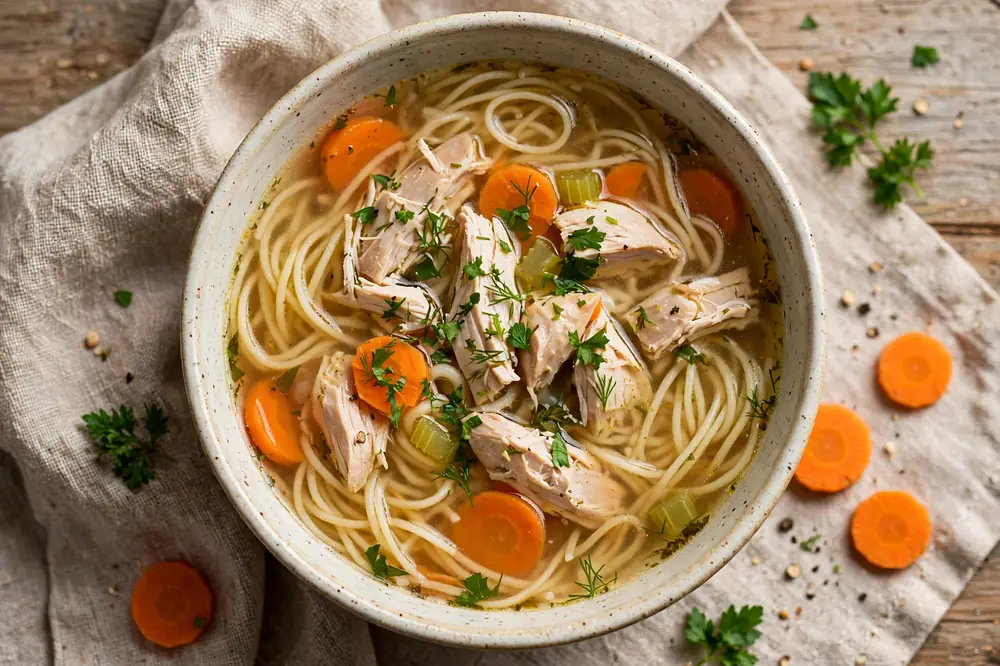
This is the soup every fall kitchen needs first. Start with a simple aromatic base of onion, carrot, and celery softened in a pot, then add good stock and chicken and let it simmer gently until the meat is tender enough to shred. The noodles go in near the end, so they stay springy instead of turning soft.
I have noticed that cooking the noodles separately and adding them to each bowl keeps leftovers far better. The broth stays clear, the noodles stay firm, and the second night’s bowl tastes almost as good as the first. A squeeze of lemon at the end wakes the whole pot up.
Creamy Tomato Basil Soup

A creamy tomato soup feels like autumn in a bowl, especially when the tomatoes are roasted first for a deeper flavour. Blend the soup until smooth, then finish it with a little cream and plenty of fresh basil torn in at the last minute.
- Roast or simmer the tomatoes until they are completely soft.
- Blend in batches, and keep the heat low once the cream goes in.
- Season at the end, tasting as you go, since tomatoes vary in sweetness.
In my experience, this soup freezes beautifully without the cream. Freeze the tomato base, then stir the cream in when you reheat it, and it tastes freshly made.
Roasted Butternut Squash Soup
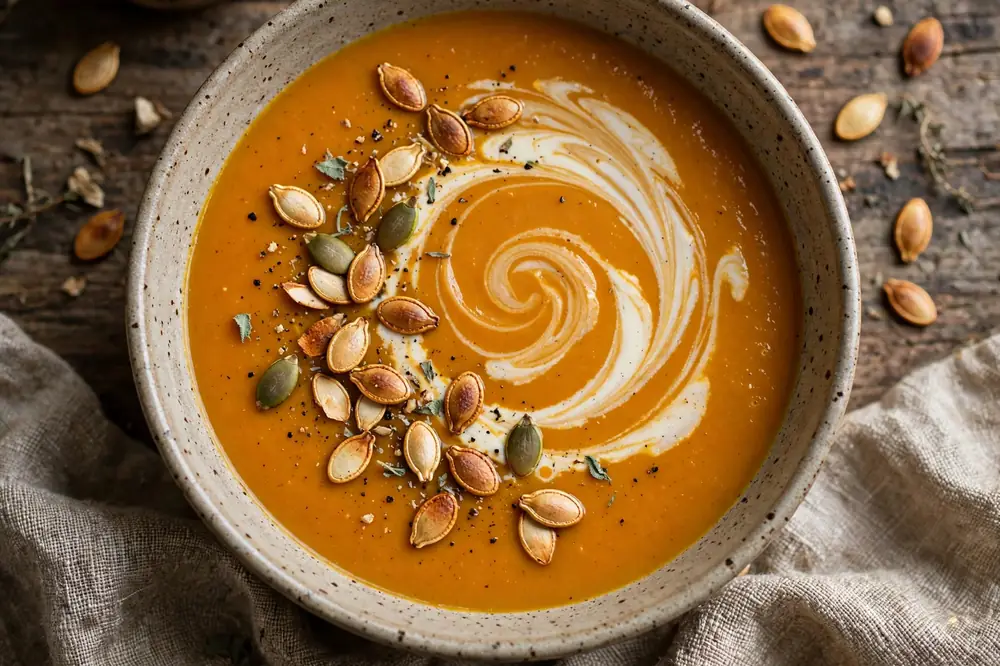
Roasting the squash before it meets the pot is the step that makes this soup special. The edges caramelise, the flesh turns sweet, and the finished soup tastes rich without needing much cream at all.
- Roast the squash until it is soft and golden at the edges.
- Simmer it briefly with onion, stock, and a little garlic.
- Blend until silky, then finish with a swirl of cream or a spoonful of yogurt.
I have noticed that a pinch of nutmeg or a little fresh ginger lifts this soup without making it taste spiced. Serve it in small bowls as a starter, or in big bowls with crusty bread for a light supper.
Tuscan White Bean and Kale Soup
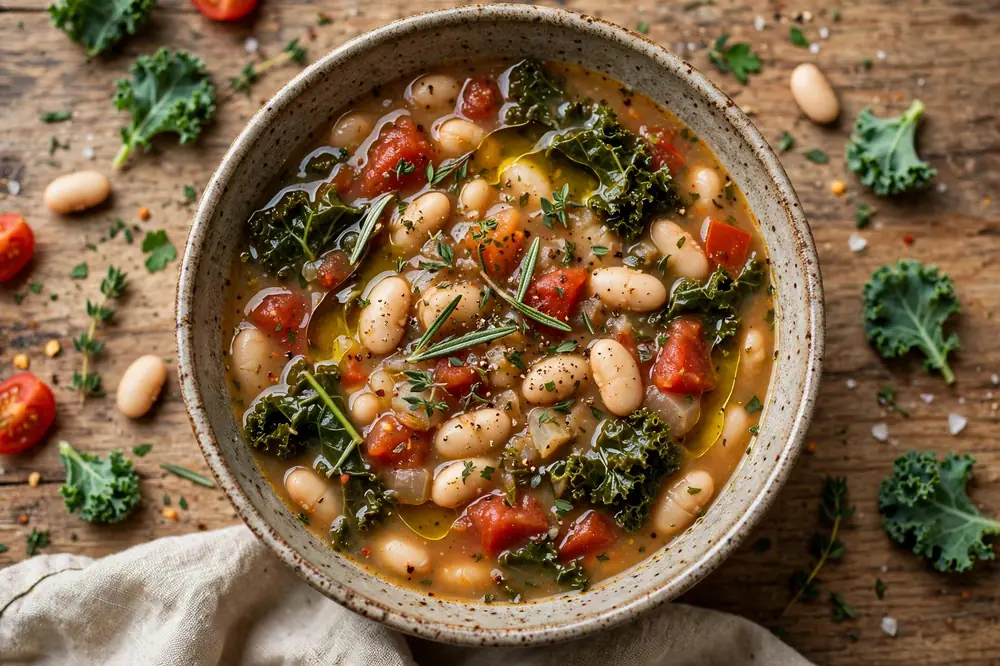
This is a rustic, filling soup built on beans, greens, and good olive oil, and it costs very little to make. The beans make it hearty, the kale keeps its texture, and a good glug of olive oil at the end ties everything together.
Before: a thin bean soup that tastes a little flat and watery.
After: the same pot with half the beans lightly mashed for body, kale stirred in until just wilted, and olive oil and garlic finished on top, suddenly rich and satisfying.
In my experience, mashing only part of the pot is the trick. You get a creamy base and whole beans to bite into, which is far better than a soup that is all smooth or all chunky.
Spiced Pumpkin and Sage Soup
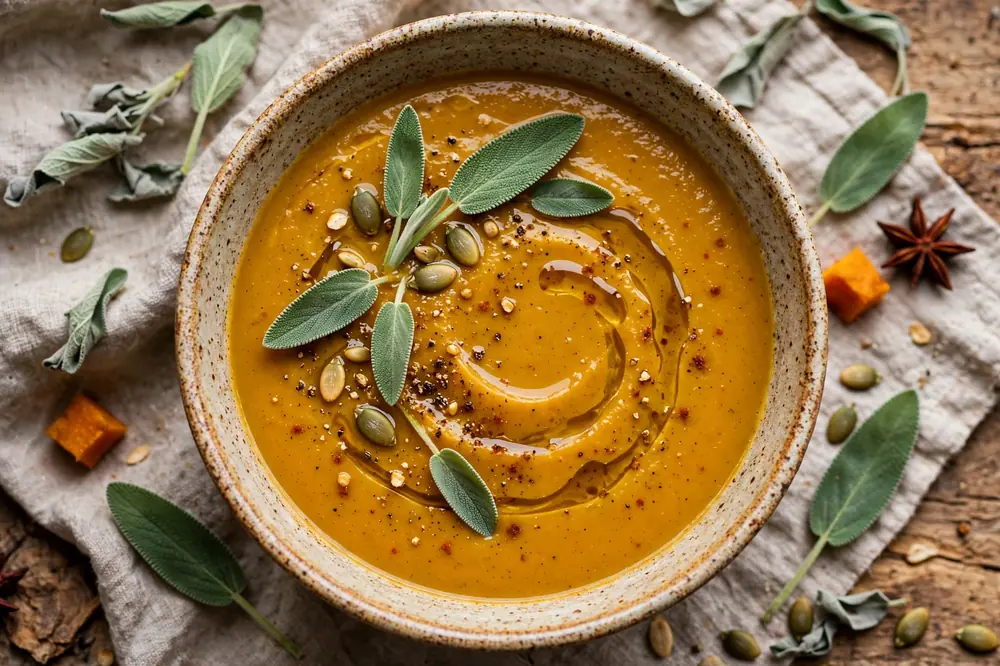
Pumpkin soup deserves its place in fall, and sage is its best friend. The warm spice should sit in the background, not take over, so the pumpkin stays the star and the soup stays comforting rather than dessert-like.
| Pumpkin style | Best for |
|---|---|
| Smooth and silky | A starter or light lunch |
| Chunky with beans | A filling weeknight dinner |
| Spiced with ginger | A cold night when you want warmth |
I have noticed that fresh sage, crisped briefly in a little butter or oil and scattered on top, makes this soup feel like something from a good café. Dried sage works too, but add it early so it has time to soften into the pot.
Chicken Tortilla Soup

This is the soup for nights when everyone wants to build their own dinner. A lightly spiced tomato broth, shredded chicken, and beans make the base, and the toppings do the rest of the work at the table.
DO: put the toppings out in small bowls so everyone can choose their own.
DON’T: add the tortilla strips too early, or they will turn soggy before serving.
I have noticed that a squeeze of lime over each bowl makes the biggest difference here. It brightens the spices and stops the soup from tasting heavy. Keep a little extra broth on hand, since the toppings soak it up as the bowls sit.
Creamy Potato Leek Soup

Potato leek soup is quiet comfort food: mild, creamy, and kind to tired cooks. Leeks cook down soft and sweet, potatoes give the body, and the whole pot comes together with very little fuss.
Quick Tip: Clean leeks well before cooking. Slice them, swirl them in a bowl of water, and lift them out, leaving any grit behind in the bowl. It takes a minute and saves a gritty soup.
In my experience, blending only part of this soup gives the best texture. Some potato stays in soft chunks, the rest turns the broth creamy, and the bowl feels homemade rather than uniform. A handful of crisp toppings, like toasted seeds or crumbled bacon, adds welcome contrast.
French Onion Soup

French onion soup rewards patience more than skill. The onions need low, slow cooking until they turn deep golden and sweet, and that sweetness is the whole foundation of the soup. Rush it and the soup tastes sharp; give it time and it tastes like a restaurant dish.
- Time: about an hour, mostly hands-off
- Skill level: easy, if you are patient
- Best for: a slow weekend evening or a special starter
- Result: a sweet, savoury broth under a golden, cheesy top
I have noticed that a splash of vinegar or a little mustard stirred in at the end balances the sweetness beautifully. If you skip the cheesy bread topping, the soup is still wonderful, just simpler, and it freezes well without it.
Lentil and Carrot Soup

Lentil soup is the weeknight hero of this list. Lentils need no soaking, they cook in one pot, and they turn a handful of vegetables into a thick, satisfying dinner. Carrots add sweetness, and a little cumin or coriander in the background keeps it interesting.
I have noticed that a splash of vinegar or lemon juice at the very end is what separates a good lentil soup from a dull one. The acid lifts the earthy lentils and makes the whole pot taste brighter. Leftovers thicken as they sit, so add a little water or stock when reheating.
Broccoli Cheddar Soup
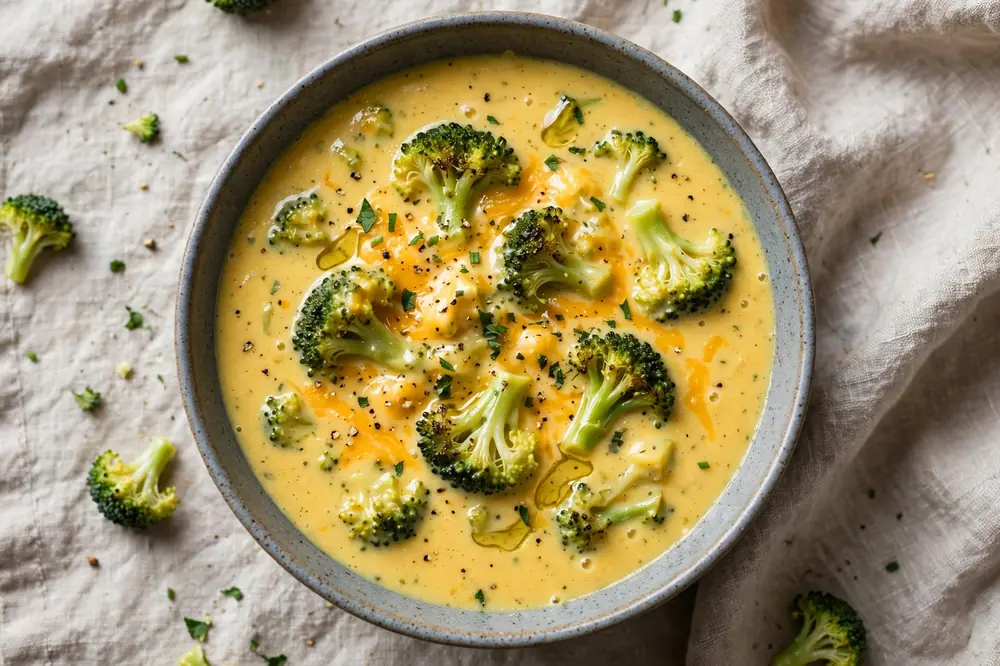
This is the soup children ask for by name, and it is easy to see why. Broccoli cooked until tender, blended partway for body, and finished with sharp cheddar makes a thick, cosy bowl that feels like a treat rather than a vegetable duty.
- Cook the broccoli until it is fully tender, not just bright green.
- Blend only part of the pot, so some broccoli texture remains.
- Add the cheese off the heat or on very low heat, stirring until it melts smoothly.
In my experience, adding the cheese too fast over high heat is the one mistake to avoid. It can turn grainy, while gentle heat keeps the soup silky. A little mustard stirred in sharpens the cheddar flavour without tasting like mustard.
Beef Barley Soup
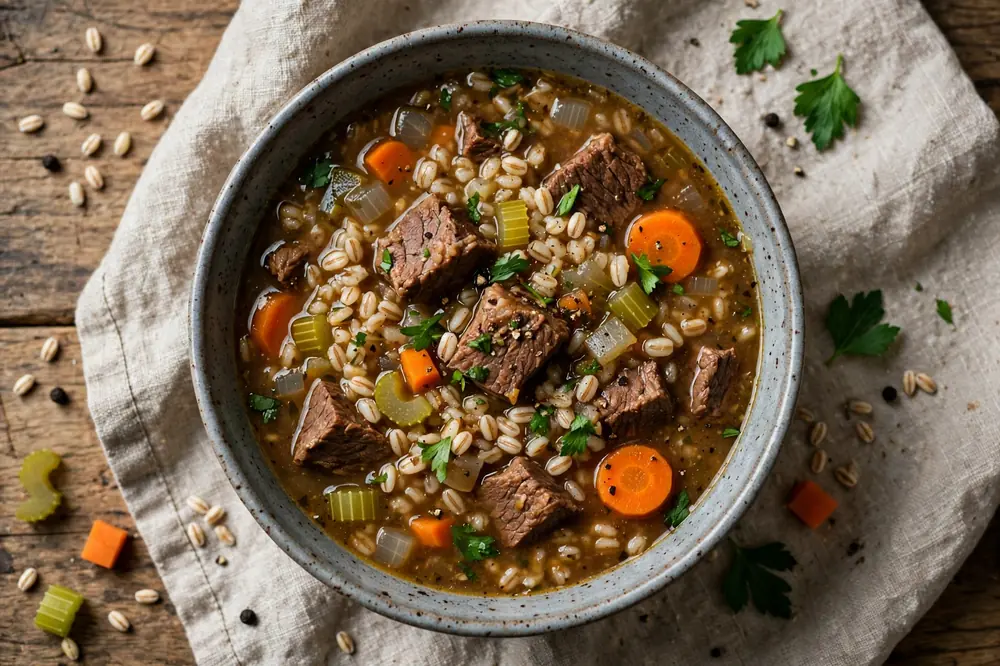
Beef barley soup is a proper cold-weather dinner: beef that turns tender with simmering, barley that thickens the broth, and root vegetables that make every spoonful hearty. It is the soup I make when the evening is dark early and everyone comes home hungry.
- Brown the beef well first, so the broth has real depth.
- Simmer gently with vegetables and stock until the beef is tender.
- Add the barley in good time, so it cooks through without turning to mush.
I have noticed that this soup tastes even better the next day, once the barley has soaked up more flavour. Make a double batch if your pot allows it, and freeze the extra in single portions for busy nights.
Corn Chowder with Sweet Potatoes

Corn chowder is summer’s soup made for fall, once sweet potatoes join the pot. The corn stays sweet, the sweet potato adds body and colour, and a creamy base ties it together into a bowl that feels both light and filling.
Before: a plain corn soup that tastes thin and one-note.
After: the same soup with roasted sweet potato, a little smoked paprika, and fresh herbs on top, suddenly layered and worth making again.
In my experience, frozen corn works just as well as fresh here, which makes this a true pantry soup. Keep the heat gentle once the cream goes in, and add the corn near the end so it stays sweet and firm.
Mushroom and Thyme Soup
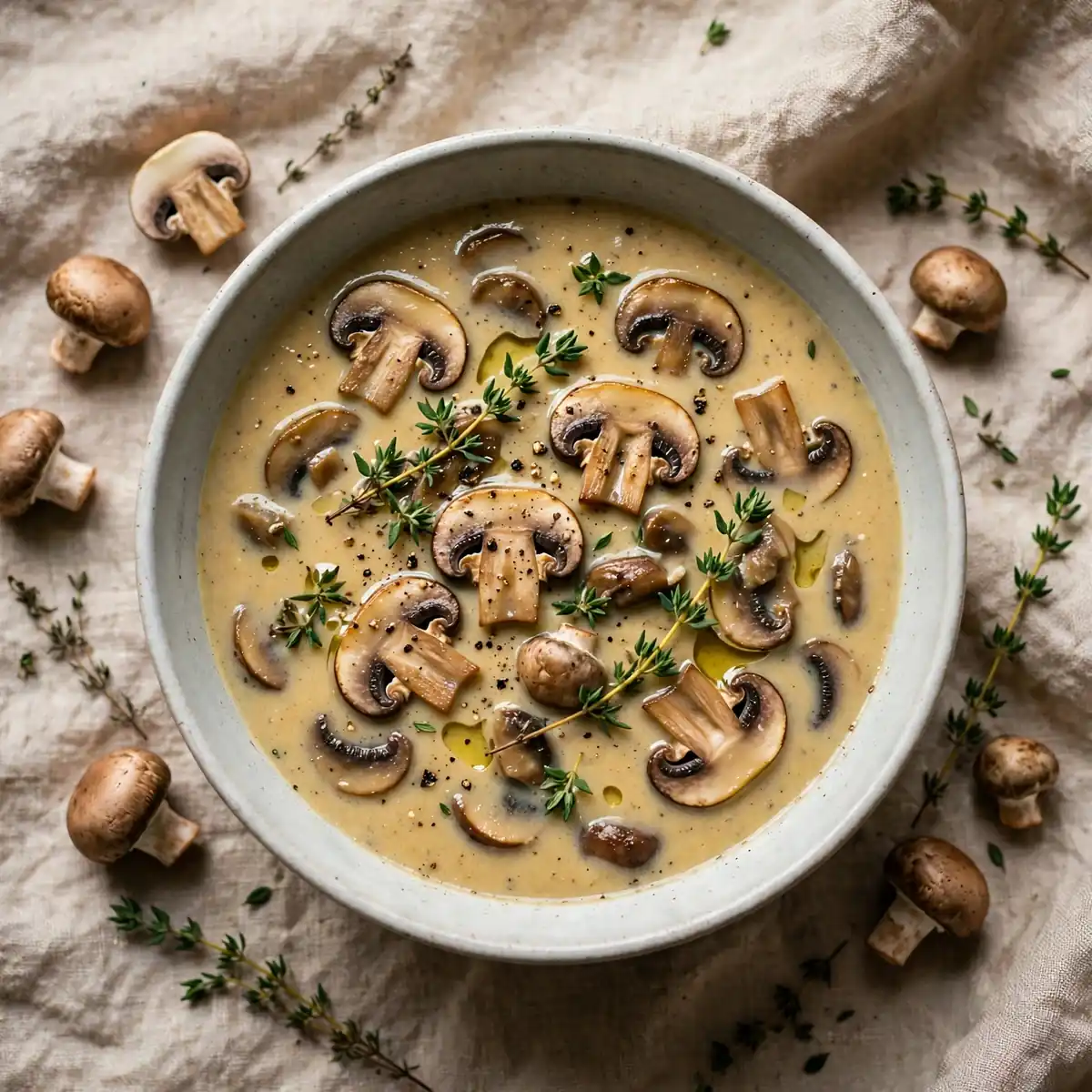
Mushroom soup is deeply savoury, and thyme is the herb that suits it best. The secret is browning the mushrooms properly before any liquid goes in, because that golden colour is where the flavour lives.
| Mushroom step | What it gives you |
|---|---|
| Browned in a single layer | Deep, savoury flavour |
| Stirred too often | Pale, steamed mushrooms |
| Finished with cream | A silky, restaurant-style bowl |
I have noticed that a splash of soy sauce or a little vinegar at the end deepens mushroom soup without making it taste like either one. Serve it with good bread for dunking, and keep some mushrooms sliced and crisped on top for texture.
Turkey and Wild Rice Soup
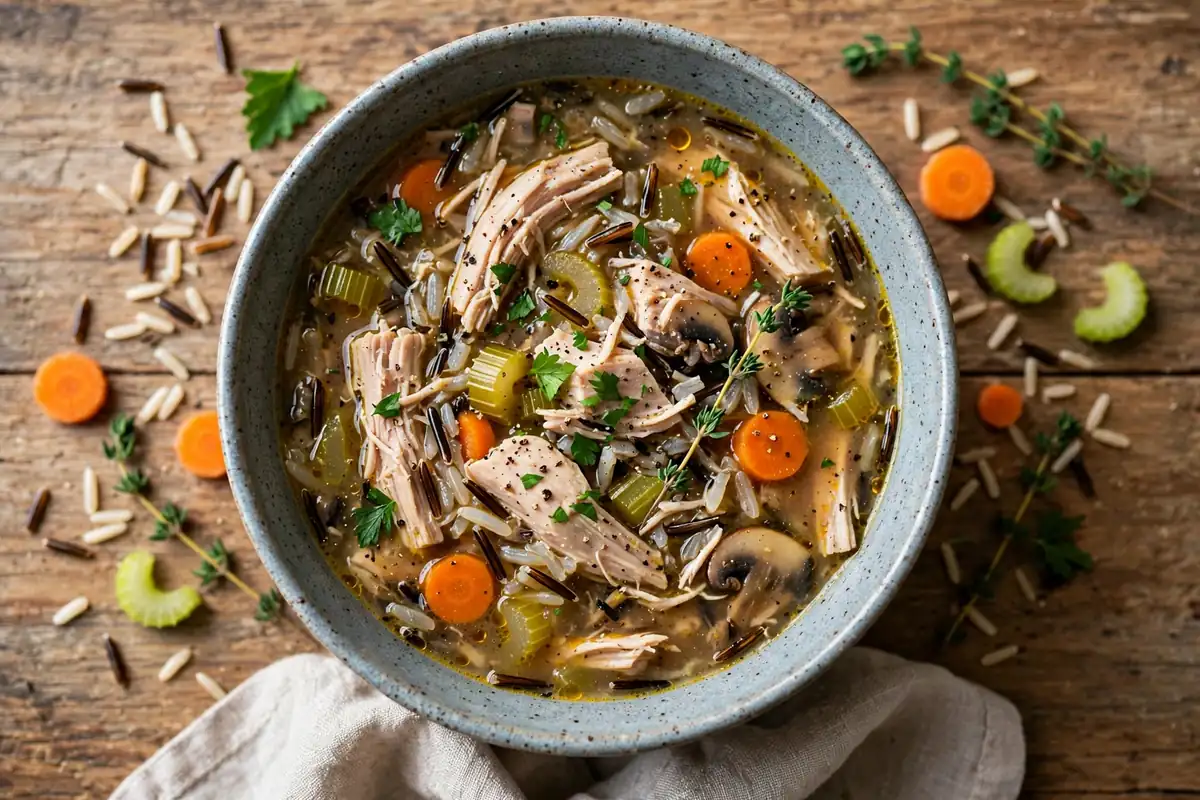
After a roast, this is the soup that turns leftovers into a second dinner worth looking forward to. Shredded turkey, nutty wild rice, and vegetables simmer into a broth that tastes like the weekend all over again, and it is an excellent way to use up a Sunday roast. For more gathering-size ideas, see 21 Fall Sunday Dinners Worth Gathering For.
DO: cook the wild rice separately if you plan leftovers, so it does not swell and soak up all the broth overnight.
DON’T: boil the soup hard once the turkey goes in, or the meat will dry out.
In my experience, a handful of fresh herbs at the end makes leftover turkey taste freshly cooked again. Parsley or thyme both work, and a little lemon zest lifts the whole pot.
Thai-Inspired Coconut Pumpkin Soup

This soup borrows Thai flavours without turning into a complicated project. Coconut milk makes the pumpkin silky, a little curry paste adds warmth, and lime and fresh herbs at the end keep it bright rather than heavy.
Quick Tip: Add the curry paste to the pot and cook it briefly before the liquid goes in. Blooming it in a little oil wakes up the spices and stops the soup from tasting raw or flat.
I have noticed that this soup is a great bridge for cautious eaters. Keep the spice gentle in the pot, then offer chilli oil or fresh chilli at the table for anyone who wants more heat. A swirl of coconut milk on top makes each bowl look beautiful.
Minestrone with Fall Vegetables

Minestrone is the soup that cleans out the vegetable drawer in the best possible way. Beans, small pasta, and whatever fall vegetables you have simmer together into a brothy, tomato-based pot that tastes different every time you make it, and that is the point.
- Time: about 45 minutes
- Skill level: easy
- Best for: using up vegetables before the weekly shop
- Result: a flexible, filling soup that feeds a crowd
In my experience, cooking the pasta separately and adding it to each bowl is worth the extra pan. The soup stays brothy for days instead of turning into a stodgy stew, and the pasta stays tender rather than bloated.
Roasted Red Pepper Soup
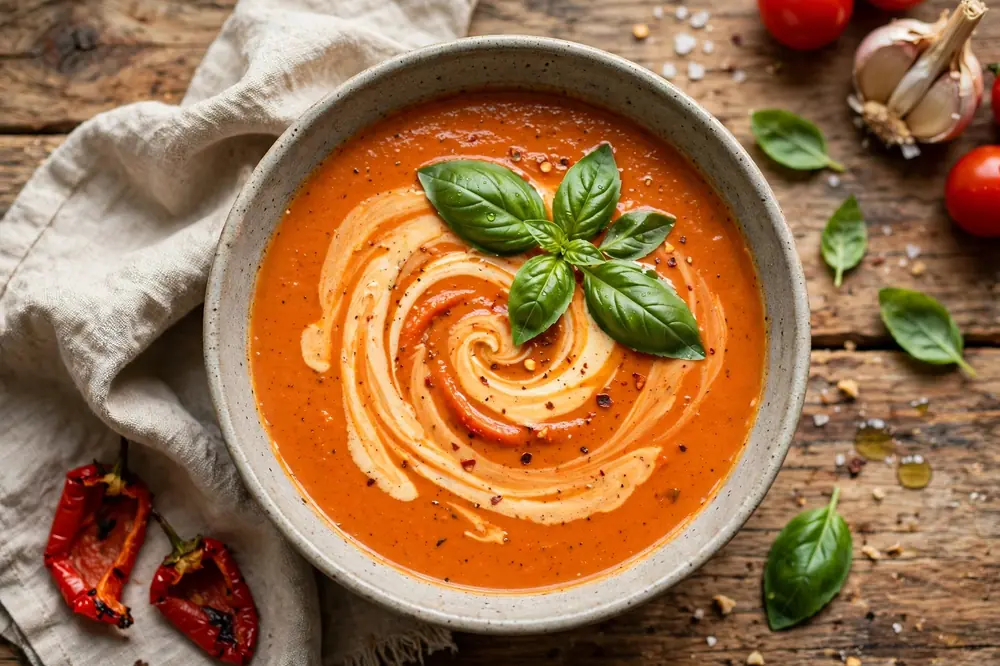
Roasted red pepper soup tastes like sunshine saved for a grey day. Roasting the peppers until their skins blister gives a smoky sweetness that no jar can quite match, and blending them with onion and stock makes a smooth, vivid soup.
I have noticed that a spoonful of cream cheese or a swirl of yogurt blended in gives this soup body without dulling the pepper flavour. A little smoked paprika deepens it further, but go gently, since the roasted peppers already carry plenty of character.
Chicken and Dumpling Soup
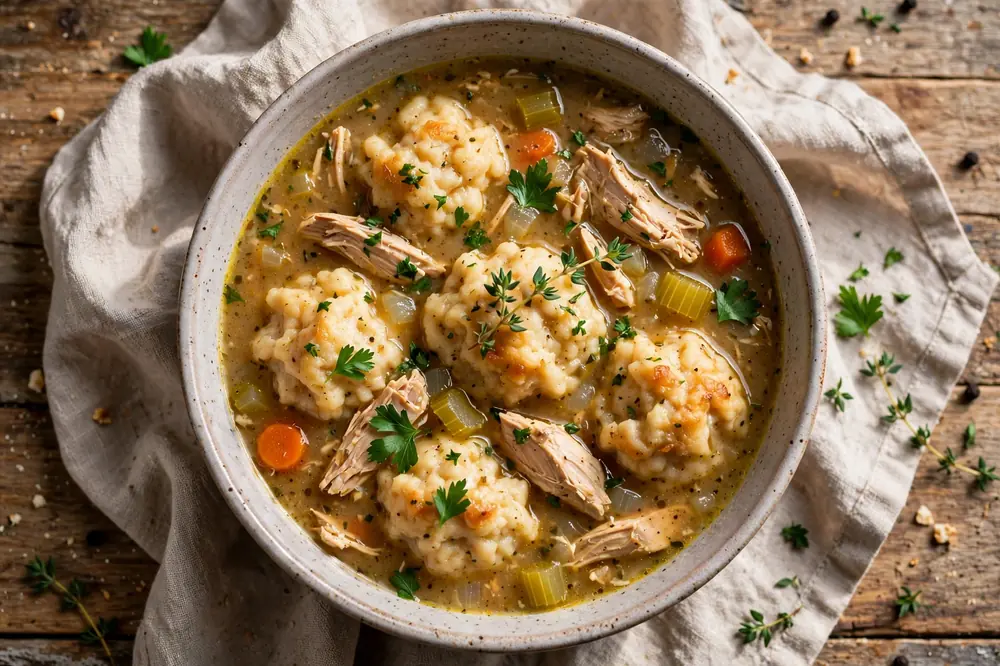
Chicken and dumpling soup is the cosiest bowl on this list, and the dumplings are simpler than they look. A thick chicken and vegetable broth, simmered gently, with soft dumplings steamed on top, turns an ordinary evening into something special.
- Make the broth first, with chicken cooked until tender.
- Drop the dumplings onto the surface and cover the pot without peeking.
- Let them steam until they are puffed and cooked through.
In my experience, resisting the urge to lift the lid is the hardest and most important part. Every peek lets steam escape, and the dumplings need that steam to rise properly. Serve it the day you make it, since dumplings soften overnight.
Sweet Potato and Black Bean Soup
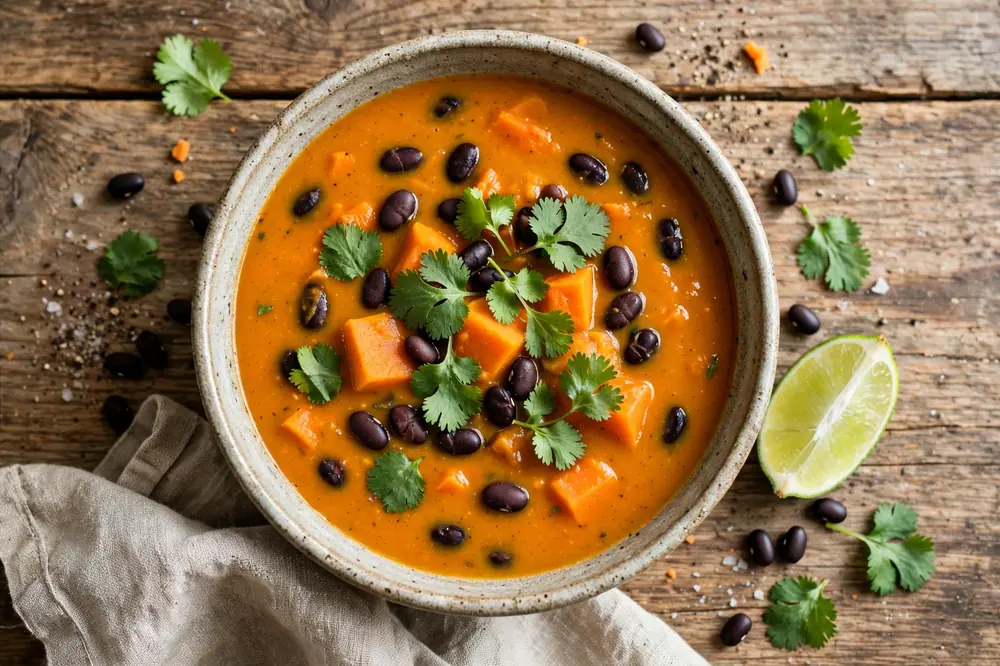
This is a pantry-friendly soup with a lovely sweet and savoury balance. Sweet potatoes soften into the broth, black beans make it filling, and cumin and lime give it a warm, southwestern feel without any fuss.
- Soften onion and spices in the pot until fragrant.
- Add sweet potato, beans, and stock, and simmer until tender.
- Blend part of the pot for body, and finish with lime and fresh herbs.
I have noticed that this soup is one of the best for freezing. Freeze it in flat portions, and it reheats into a quick lunch that tastes like you cooked it that day. A spoonful of yogurt on top cools the spice nicely.
Cauliflower and Cheddar Soup

Cauliflower soup surprises people. It blends silky smooth, tastes mild and nutty, and with sharp cheddar it turns into a bowl that feels indulgent without being heavy. It is also a gentle soup for evenings when you want comfort without richness.
Before: plain boiled cauliflower that tastes watery and dull.
After: cauliflower roasted or simmered with onion and garlic, blended smooth, and finished with cheddar and a little mustard, suddenly creamy and full of flavour.
In my experience, roasting the cauliflower first is worth it when you have the time. The nutty edges add a depth that simmering alone cannot match, and the soup needs less cheese to taste good.
Sausage and White Bean Soup

Sausage and white bean soup is a weeknight workhorse. The sausage seasons the whole pot, the beans make it filling, and greens stirred in at the end keep it from feeling heavy. It is the soup I make when the fridge looks almost empty and everyone is hungry.
DO: brown the sausage well first, and let those browned bits flavour the broth.
DON’T: add the greens too early, or they will lose their colour and texture.
I have noticed that a Parmesan rind simmered in the pot, if you have one saved, adds a wonderful savoury depth. Fish it out before serving, and finish with a drizzle of good olive oil over each bowl.
Apple and Parsnip Soup
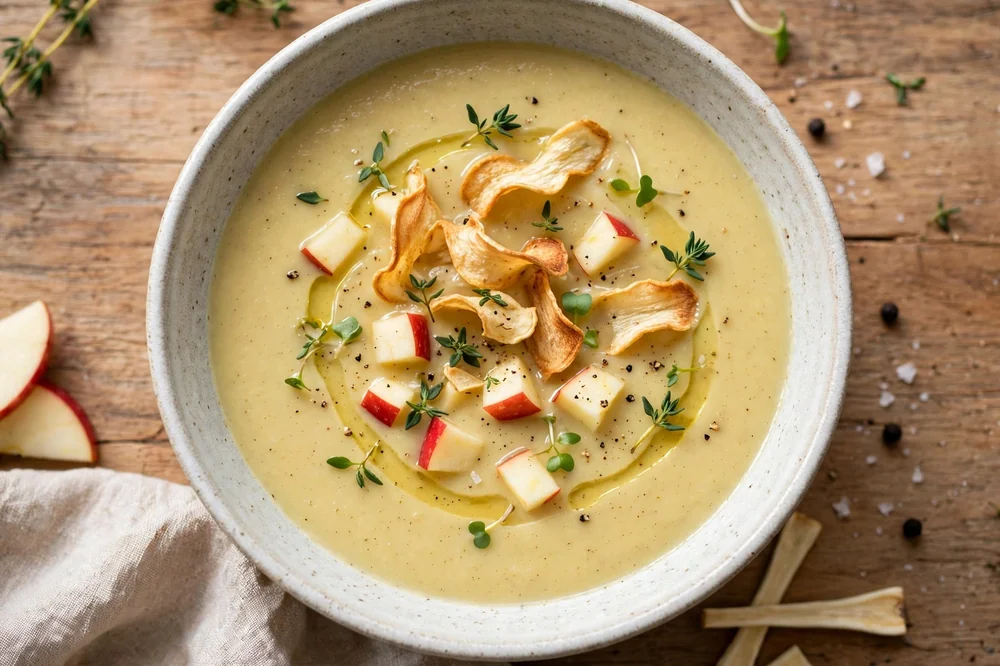
Apple and parsnip soup sounds unusual, and that is exactly why it works. Parsnips turn sweet when cooked, apples add a gentle sharpness, and together they make a pale, silky soup that tastes like an orchard in autumn.
Quick Tip: Use a cooking apple or a tart eating apple rather than a very sweet one. The sharpness balances the parsnip’s sweetness and keeps the soup from tasting like dessert.
In my experience, this is a lovely starter for a fall gathering, served in small cups with a little cream swirled on top. It also pairs beautifully with a sharp cheese toast, which cuts through the sweetness.
Golden Turmeric Chickpea Soup
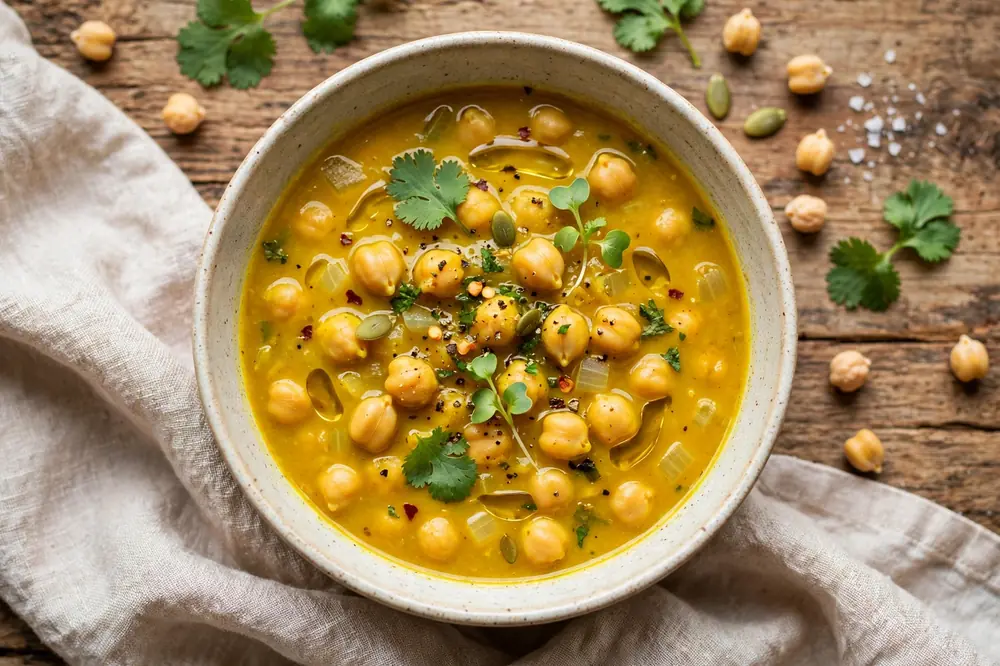
This golden soup is sunshine in a bowl. Chickpeas make it hearty, turmeric gives it colour and warmth, and coconut milk or a swirl of yogurt makes it creamy. It is naturally meatless, filling, and kind to a busy schedule.
- Time: about 30 minutes
- Skill level: easy
- Best for: a quick meatless weeknight dinner
- Result: a golden, warming soup that reheats well
I have noticed that a squeeze of lemon at the end is essential here. Turmeric can taste earthy and flat on its own, and the acid lifts it into something bright and appetising. Serve with flatbread for scooping up every last drop.
Creamy Seafood Chowder
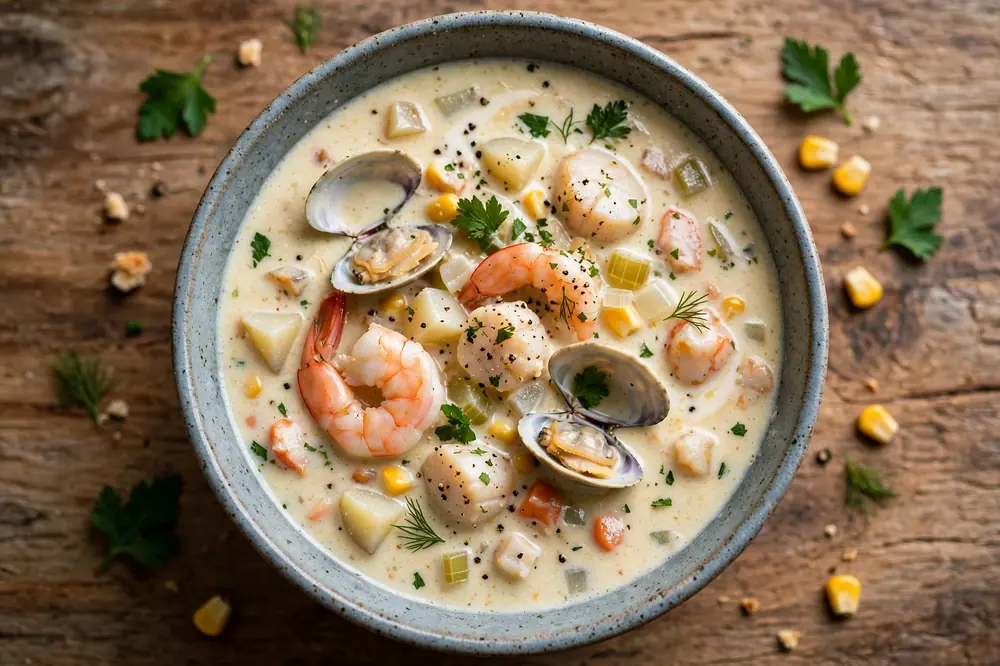
Seafood chowder feels like a special occasion, but on the stovetop it comes together quickly. Fish and shellfish cook in minutes, so the trick is building a creamy, well-seasoned base first and adding the seafood at the very end.
I have noticed that overcooking is the only real risk with this soup. Add the seafood last, keep the heat gentle, and take the pot off the heat as soon as the fish flakes and the shellfish open. A little fresh dill or parsley on top finishes it beautifully, and leftovers should be eaten the next day rather than frozen.
Conclusion
Fall soup season is long, and that is a gift, not a problem. With creamy soups, brothy soups, and hearty pots in rotation, soup night never has to feel repetitive, and a good freezer stash means a homemade dinner is never far away.
Pick one for tonight, bookmark this list for the weeks ahead, and build it into your meal plan. Start with the classic chicken noodle or the creamy tomato if you are new to soup making, then work your way through the squash, the chowders, and the spiced pots as the nights get colder. For more quick family suppers, see 14 Irresistible 30-Minute Dinners for Busy Nights.
Frequently Asked Questions
What is the best soup to make first in fall?
A classic chicken noodle soup or a creamy tomato soup is the best place to start. Both use simple ingredients, come together in one pot, and teach the basic soup skills, like building flavour in the base and seasoning at the end, that every other soup on this list uses.
Can I freeze fall soups?
Yes, most soups freeze well for a few months, especially brothy and bean-based ones. Leave out cream, cheese, pasta, and dumplings until reheating, since those can turn grainy or soft in the freezer, and cool the soup fully before portioning it into containers.
How do I stop soup from tasting bland?
Season in layers rather than all at once. Salt the vegetables as they soften, taste the broth before serving, and finish with something bright, like lemon juice or vinegar, and something fresh, like herbs. A drizzle of good olive oil or a spoonful of yogurt on top also adds flavour without extra cooking.
What should I do with leftover soup?
Store leftovers in the fridge and eat them within a few days, adding a little water or stock when reheating since soups thicken as they sit. Cooked pasta, rice, and noodles are best stored separately and added fresh to each bowl, so they stay tender instead of swelling.
Can I make these soups without dairy?
Yes. Most of the soups here work well without dairy: use coconut milk or a blended cashew cream for creamy soups, and skip the cheese topping on the others. The flavour comes from the vegetables, herbs, and a well-seasoned broth, so the soup stays satisfying either way.